Venice divided itself into six sestieri in the twelfth century. The names have not moved. They are still how addresses work, how parishes cluster, and how you tell someone which way you are walking.
- San Marco
- Castello
- Cannaregio
- Dorsoduro
- San Polo
- Santa Croce
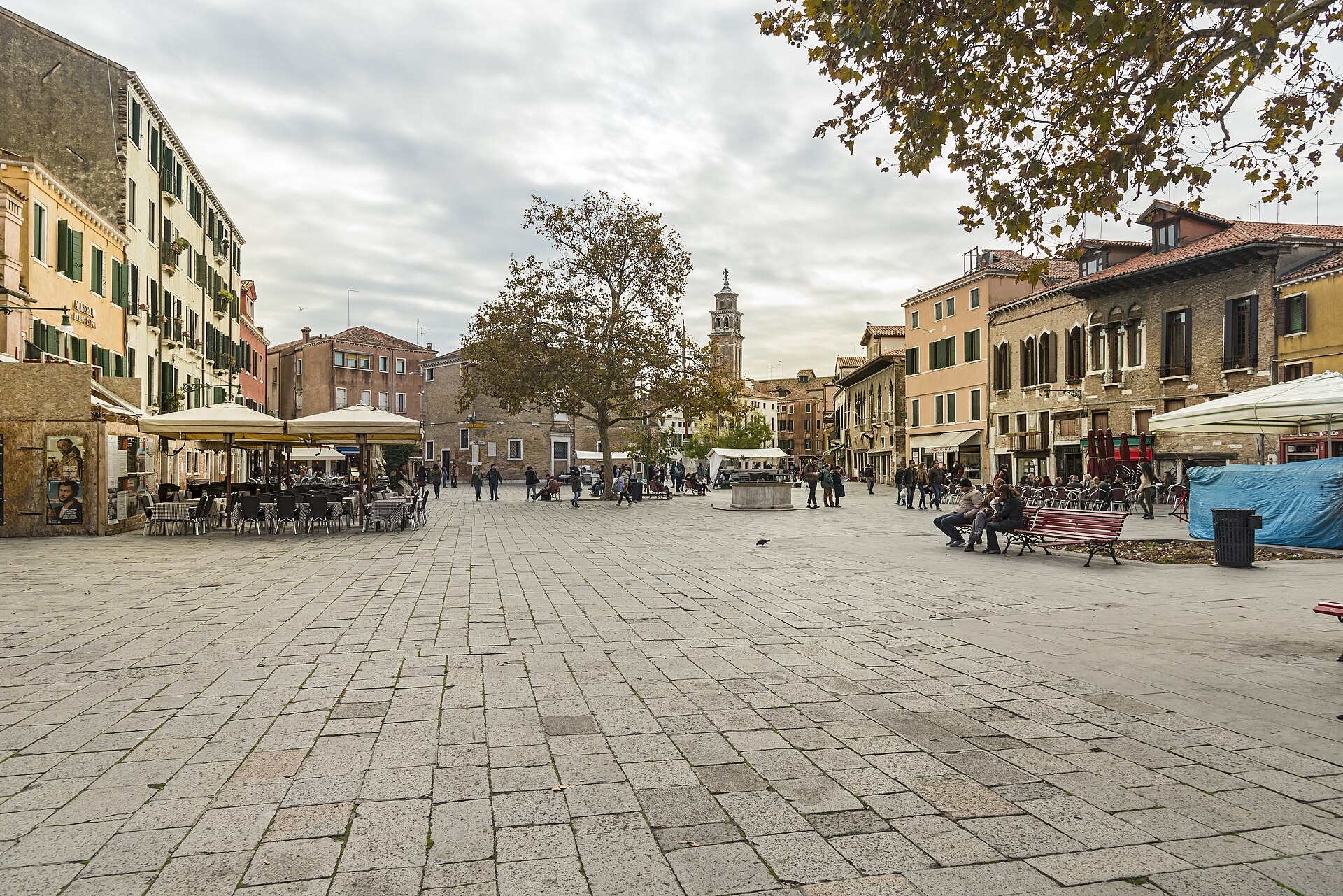
Cannaregio
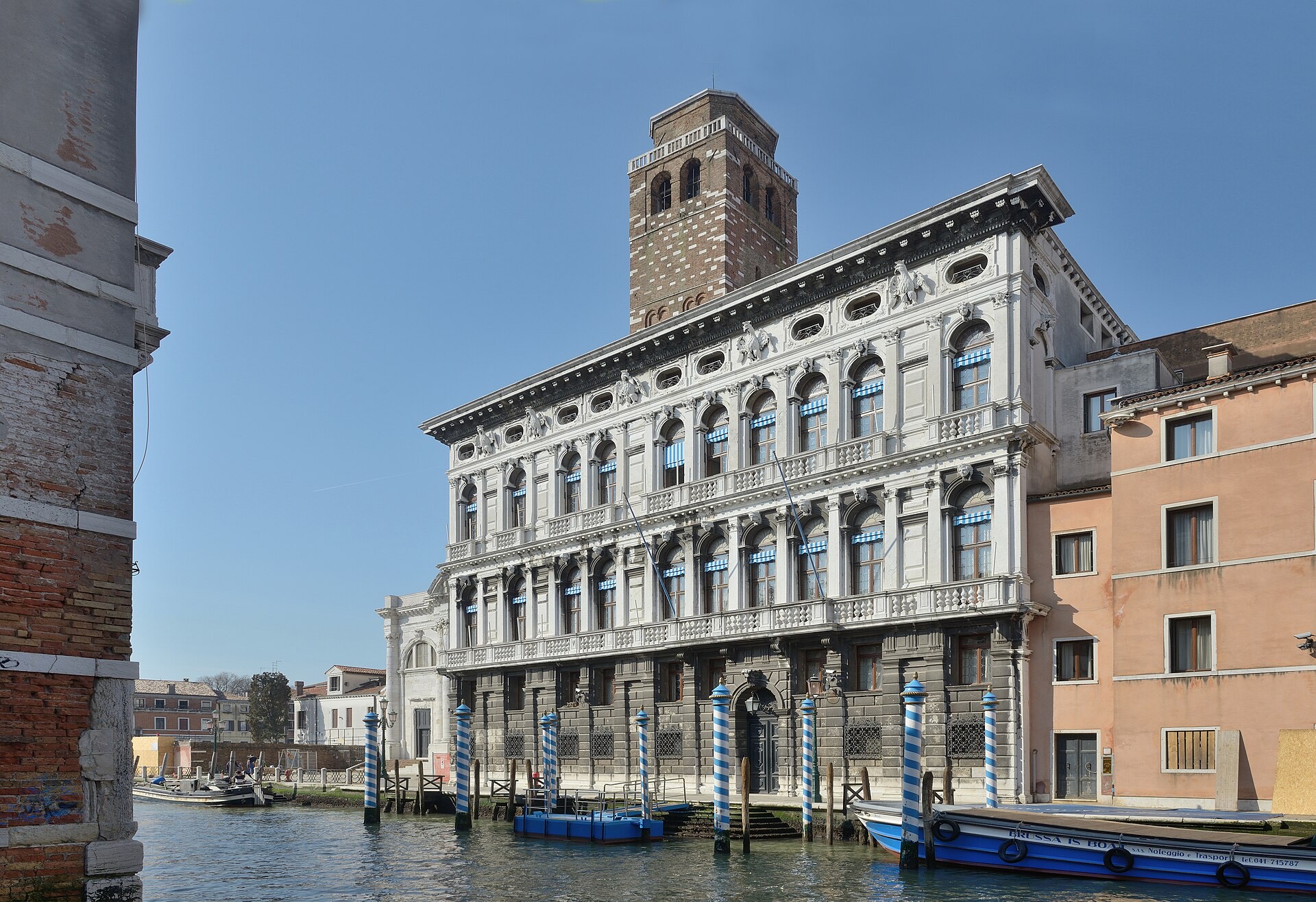
Cannaregio is the long northern strip, from the station toward Fondamente Nove. The Cannaregio canal is one of the few waterways wide enough to feel like a street. Palazzo Labia stands on its bank, a late palazzo with a theatrical front.
The Ghetto Nuovo sits inside this sestiere. Jewish families were required to live there from 1516. The campo is still the centre of that history, with tall houses and the remaining synagogues. Madonna dell'Orto is the parish church that rewards a detour if you like Tintoretto without a queue.
From Fondamente Nove the lagoon opens north. On a cold bright day the Dolomites sit on the horizon. Boats for Murano, Burano and Torcello leave from here.
Castello
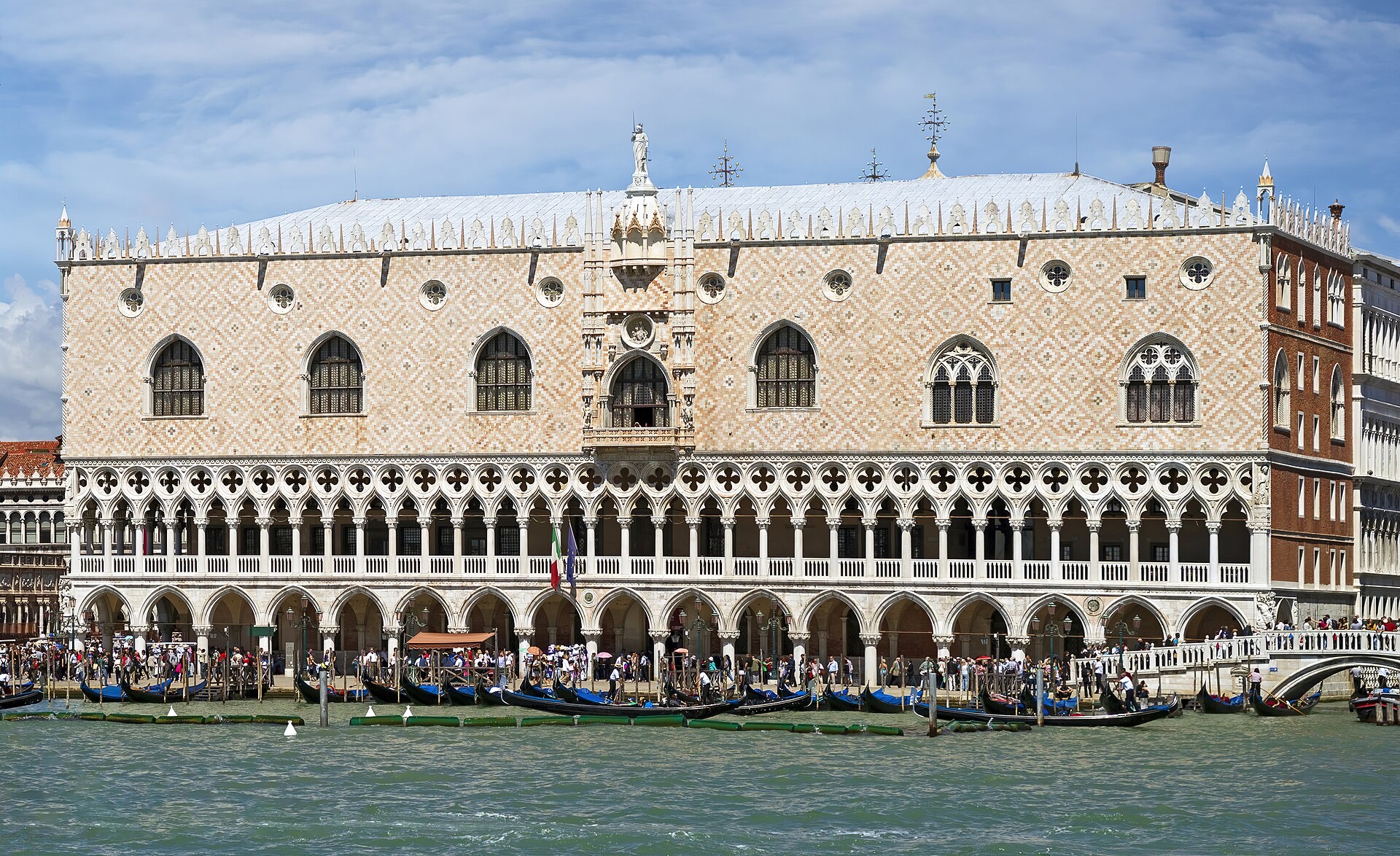
Castello is the largest sestiere and the least staged. East of the Doge's Palace the crowds thin. The Arsenale walls still read as a naval city. Biennale pavilions occupy the public gardens Napoleon cut at the edge.
Via Garibaldi is a filled canal that became a street, which is why it feels unusually wide. Sant'Elena, the eastern tip, has pines and a football ground. San Pietro di Castello was the cathedral of Venice until 1807, a fact most visitors never learn because the basilica in the piazza stole the title.
Dorsoduro
Dorsoduro sits on firmer ground, which is why the name means hard ridge. The Accademia hangs the city's painting collection. Santa Maria della Salute closes the Grand Canal with a baroque dome. Students keep Campo Santa Margherita noisy after dinner.
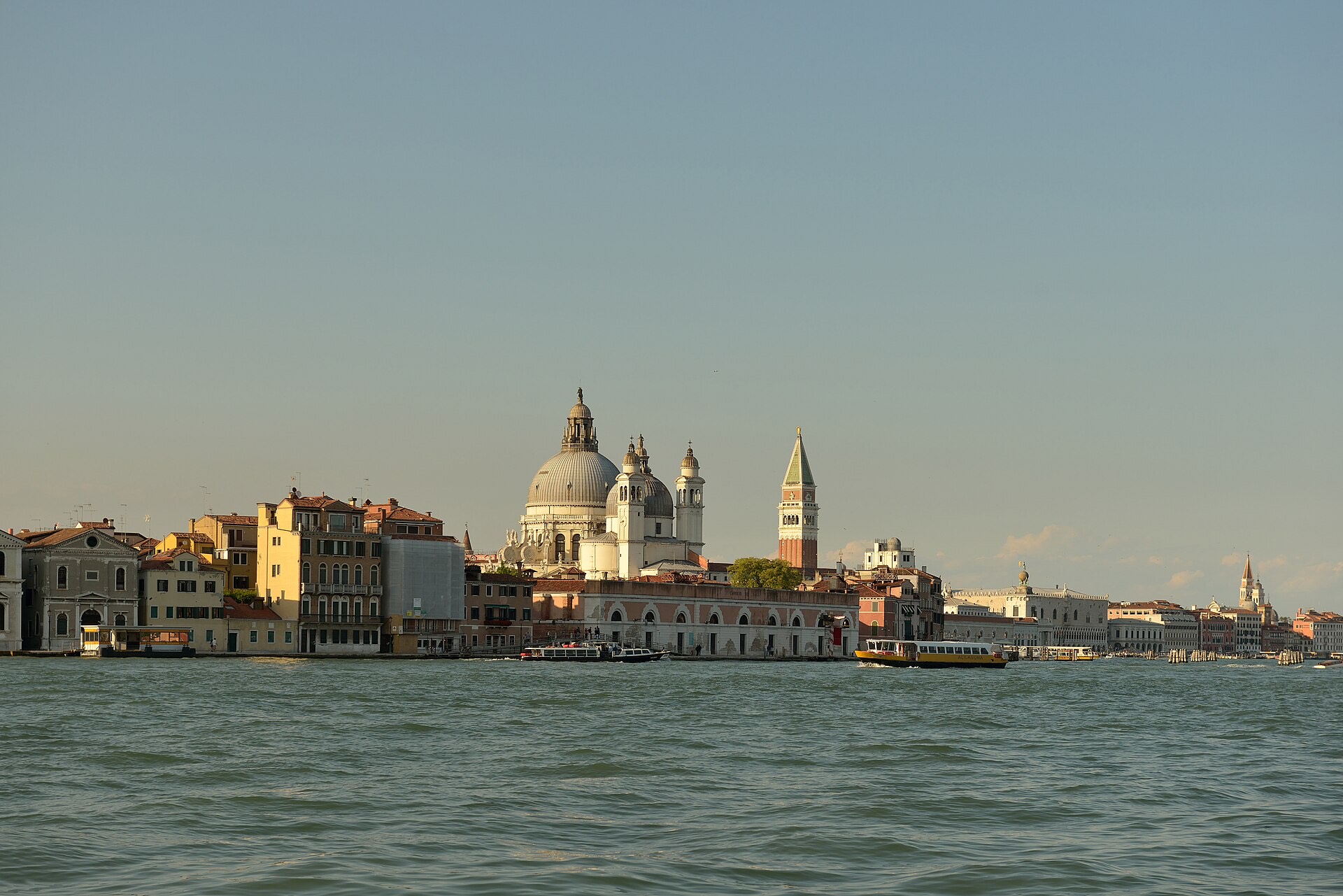
The Zattere is the southern walk, a wide quay facing Giudecca. It is one of the few places in the city where you can walk in a straight line for more than a few minutes. Use it when the alleys start to feel like a puzzle you did not ask for.
San Marco
The smallest sestiere carries the civic symbols. Piazza, basilica, campanile, palace, the two columns on the Molo. It is also the district that floods first. The San Marco page takes the square apart.
San Polo
San Polo is compact and commercial. Rialto Bridge lands here. The fruit stalls and the Pescaria still work as a market in the morning, then give the campo back to walkers. The Frari holds Titian's Assumption in a brick barn of a church. Campo San Polo is the largest square after San Marco and used to host bull baiting, which tells you how civic life used these spaces.
Santa Croce
Santa Croce is the arrival sestiere. Piazzale Roma, the Constitution Bridge and the western end of the station precinct sit here. The rest is a mix of older fabric and nineteenth-century cuts. Fondaco dei Turchi on the Grand Canal now holds the natural history museum. If you have just got off a bus, you are in Santa Croce whether you meant to be or not.