- San Marco
Piazza San Marco is the civic room of the Republic. Napoleon called it the drawing room of Europe, which is a sentence everyone repeats and which still describes the enclosed paving, the arcades and the way the basilica sits like an altar at the east end.
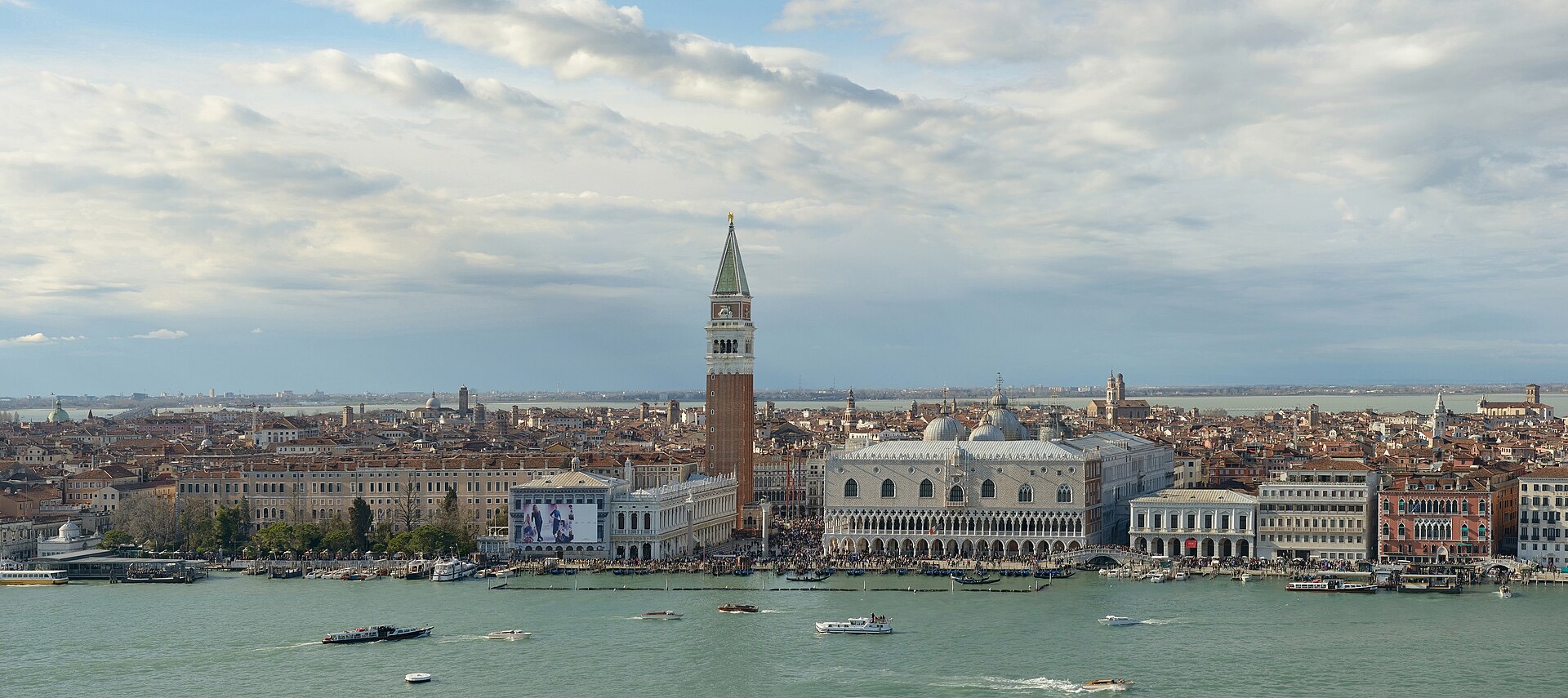
The piazza and the piazzetta
The large paved rectangle is the Piazza. The smaller opening toward the water is the Piazzetta, between the Doge's Palace and the library. Two granite columns mark the Molo. The winged lion and Saint Theodore stand on them. Public executions once happened between those columns, a fact the souvenir stalls do not mention.
Procuratie Vecchie and Nuove form the long sides. Caffe Florian opened under the arcades in 1720. The paving hides the pipes and the tide. When acqua alta comes, this is the first floor of the city to go under.
The basilica
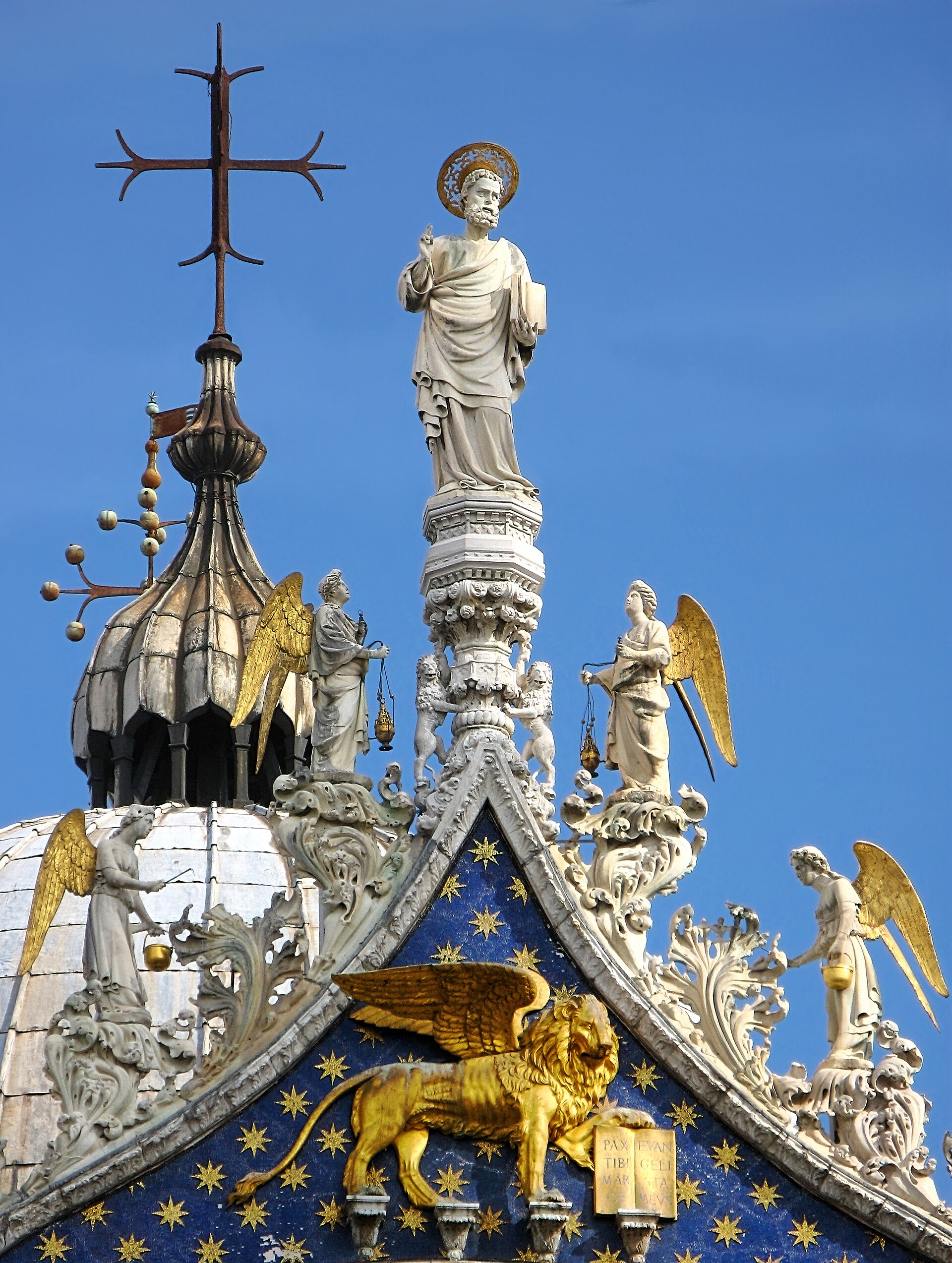
St Mark's Basilica is a Greek-cross church cased in marble and mosaic. The Republic stole the evangelist's relics from Alexandria in 828. The four bronze horses on the loggia are copies. The originals, loot from the Fourth Crusade, stand inside. Opening hours and ticket rules change. Check the basilica's own site before you queue in the sun.
The campanile
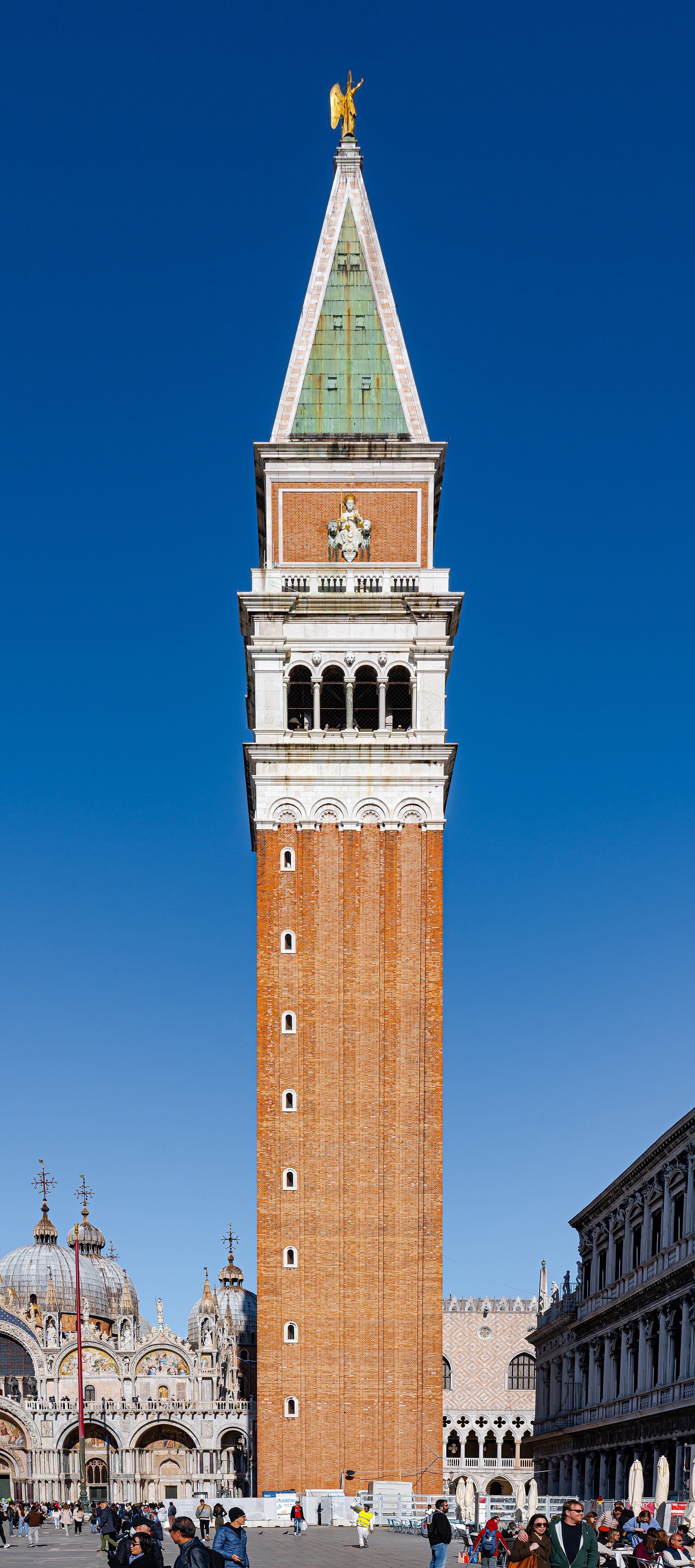
The bell tower collapsed in 1902. It fell straight, which saved the basilica. The city rebuilt it "as it was, where it was," and opened the new tower in 1912. A lift goes to the belfry. The view explains the city's island shape better than any map. Loggia Sansovino at the base is a later porch, rebuilt after the collapse.
The Doge's Palace
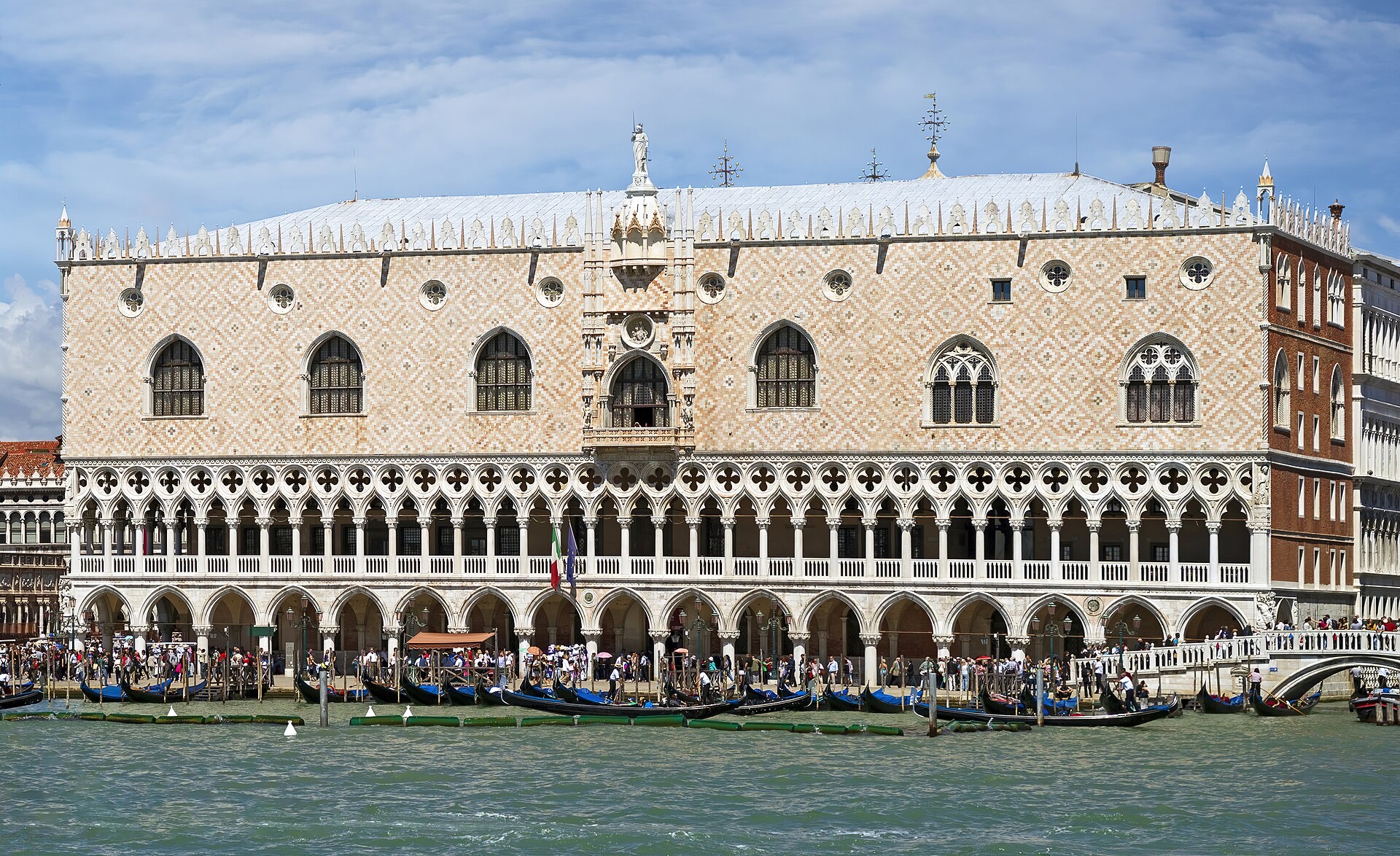
The Palazzo Ducale is the Gothic government building, a wall of pink Verona marble on a ground-floor arcade. Inside, the Great Council Hall is sized for a ruling class that liked to see itself. Tintoretto's Paradise covers the end wall. The palace is also a prison complex. That is why the next bridge exists.
The Bridge of Sighs
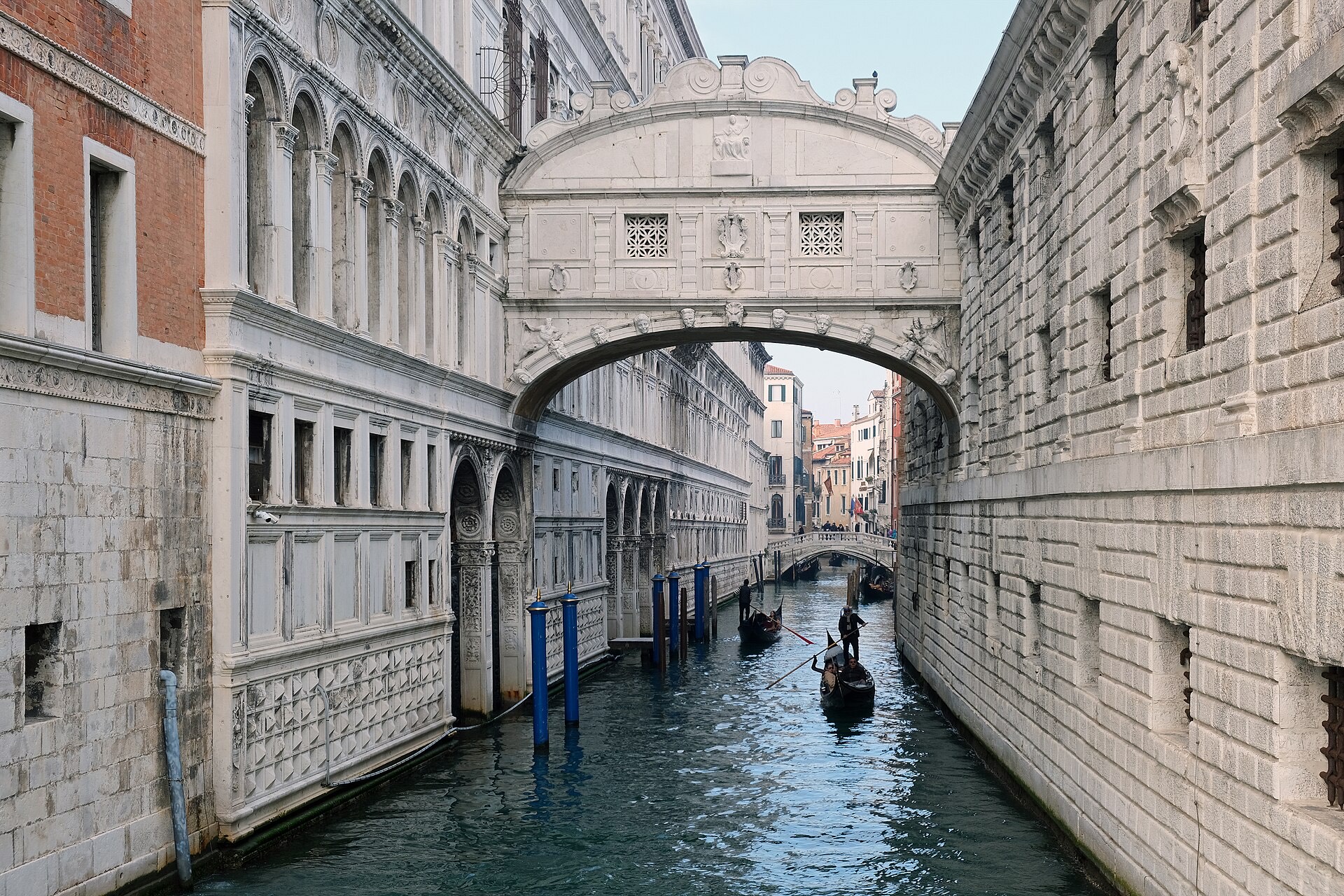
The enclosed limestone bridge links the palace to the New Prisons. Prisoners crossed it after sentencing. Byron gave it the English name. The sigh is literary. The windows are small. You see it best from Ponte della Paglia, or from a boat in the rio, not from inside a packed corridor.
Acqua alta in the square
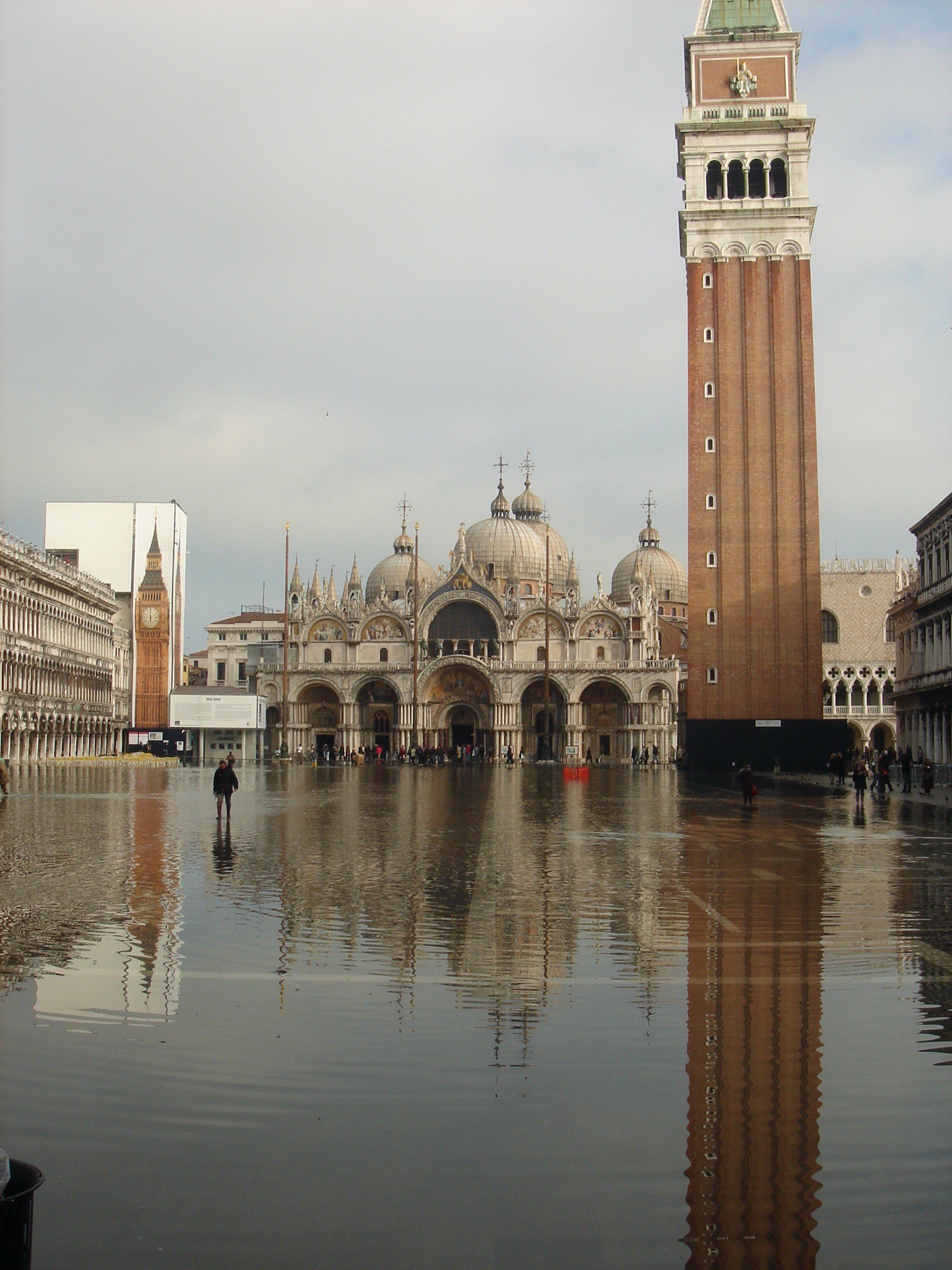
The piazza sits low. A moderate high tide puts water over the paving around the campanile and the basilica. The city lays wooden passerelle on set routes. Sirens give notice. MOSE, the mobile barrier at the lagoon inlets, now closes for higher events, so the old photographs of waist-deep water are not a daily forecast. Still bring shoes you can wet in winter.
The square is a tide gauge with columns.